
Introduction
There are two prominent mountains in Africa with hiking opportunities: Mount Kenya Trekking, that is, Mount Kenya and Mount Kilimanjaro. These are two of the highest mountains on the continent, beckoning trekkers with their sheer height off the East African landscape. These adventures will offer beautiful vistas, life-changing experiences, and stories to tell your children. But how do you decide which mountain to visit?

Regardless of whether you are an adrenaline junkie, have trekked previously, or are looking to fill your free time with an adventure, the most important component to figure out first is which mountain is correct for you.
In this blog, we will answer your questions about the difference between a Mount Kenya Trekking and a Kilimanjaro climb so that you can find the experience that speaks to your soul.
Mount Kenya: The Hidden Gem
With a height of 5,199 meters (17,057 feet), Mount Kenya is the second highest mountain in Africa, but don’t mistake that for second best. Indeed, it is known as the quieter, wilder sibling of Kilimanjaro.
Mount Kenya is a UNESCO World Heritage site, full of lush forest, deep valleys, and ridged peaks. Unlike Kilimanjaro, Mount Kenya offers a more technical climb. This is particularly true if your sights are set on summits Batian or Nelion.
Mount Kenya has fewer tourists, and its untouched terrain makes it an appealing destination for adventurers and trekkers looking for raw adventure in nature’s less-trodden spaces.
If you want to experience adventure in peace…this might just be your mountain.
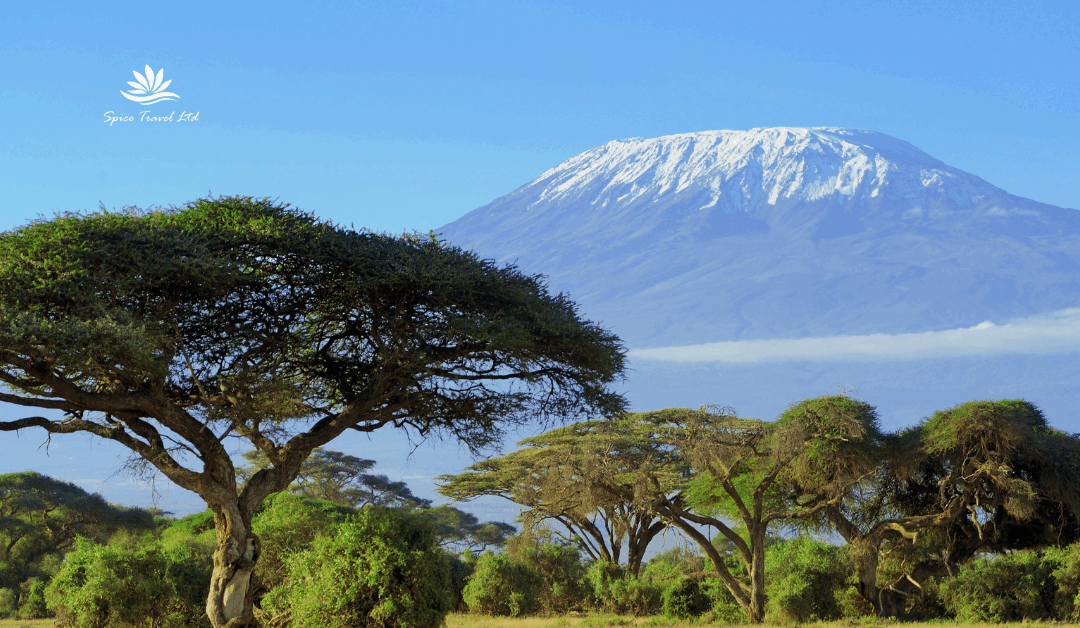
Kilimanjaro: Africa’s Roof
At 5,895 meters (19,341 feet), Kilimanjaro is Africa’s highest peak—and one of the most climbed. Its massive appeal lies in the simple fact that you don’t need technical climbing skills to reach the summit. Just to manage expectations, however, you can anticipate it will be quite a challenge! Its elevation and length make it an arduous trek.
Kilimanjaro does offer varying ecosystems on the way to the summit, from rainforest to arctic tundra. The trips are also very well organized with multiple routes available, like Machame, Marangu, or Lemosho. As such, it is the perfect mountain for first-time climbers who want to achieve something significant or for experienced trekkers wanting to hit iconic heights.
And its journey can also be an excellent add-on to mountain safaris and wildlife adventures throughout Tanzania.
Comparing the Trails
Both mountains offer guided treks that cater to specific fitness and experience levels. Kilimanjaro routes typically range from 5 to 9 days, provide thorough porter support, and trail use is standardized and established across each route.
Mount Kenya trekking routes, such as Sirimon or Chogoria, have lesser-known paths and offer a rugged trekking experience with shorter hikes that can work for people with limited time or little experience hiking at higher altitudes.
Both self-guided and guided trekking of Mount Kilimanjaro and Mount Kenya have similar opportunities for alpine views, stars in night skies, and fantastic sunrises, but the adventure you choose for yourself is unique to each mountain: one is a popular pilgrimage, while the other is an alternative experience.
When to Go: Seasons and Weather
When planning your journey, you should consider when to go. Traditionally, the climbers’ peak times are during January–March and June–October. These will generally avoid the heavy rains that make trails muddy. Mount Kenya’s location on the equator gives it a more humid climate, and Kilimanjaro can get very cold at the summit.
If weather is important to your decision, it is smart to look at forecast models and past off-peak climber data prior to purchase.
Cultural & Ecological Experience
Trekking is not merely a summiting exercise; it is about discovering and enjoying the process.
Mount Kenya encompasses Kikuyu and Meru communities, diverse birdlife, and rare plants. Kilimanjaro has Chagga culture and has been managed as ecotourism in more formalized zones.
Both include elements of conservation and benefits to local communities and can impact the localized culture that could help preserve these mountainous wonders. Choosing ethical treks preserves environmental uniqueness and the cultural distinctiveness of monumental mountains.
Climbing Packages and Costs
Mount Kenya is usually the cheaper option. Because of shorter treks, fewer park fees, and lighter logistics, it is more affordable in price. Due to high permit fees, longer climbs, and generally bigger teams of staff, Kilimanjaro is generally more expensive than most other treks in the region.
You’ll want to see if you can find climbing packages that include everything from transfers to meals, gear rental, and a guide. The better packages are those that are all-inclusive and transparent with their pricing so you do not have any unpleasant surprises when you receive the final bill.
Conclusion: Choosing Your African Peak
So—Mount Kenya or Kilimanjaro? If you’re into solitude, technical landscapes, and wild beauty, Mount Kenya Trekking could be the right fit for you. But if you’re interested in standing on Africa’s highest point, with the world sprawled below you, a climb of Kilimanjaro would provide the best bragging rights.
Either way, with the right guidance, you will have an unforgettable experience. The most important part is finding a good travel partner that is trusted and has experience in guiding your adventure.
Companies like Spice Travel, who have many years of practical mountain experience and a love for customer care, can turn your dream into a beautifully executed adventure!