
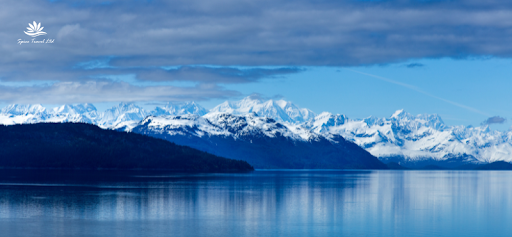
Alaska is a land of breathtaking landscapes, towering mountains, and pristine wilderness. Planning the perfect trip requires understanding the seasonal changes and what each period offers. Knowing the best time to travel to Alaska ensures you get the most out of your adventure, whether it is wildlife viewing, glacier exploration, or experiencing the northern lights.
Summer in Alaska (June to August)
Summer is considered the peak season in Alaska, attracting the majority of tourists. The weather is mild, with daytime temperatures ranging between 15°C to 25°C, making it perfect for outdoor activities. This is the ideal time for hiking, fishing, and exploring national parks without the extreme cold.
Benefits of Visiting in Summer
Summer provides long daylight hours, sometimes up to 20 hours a day, which is excellent for sightseeing and outdoor excursions. Wildlife is also more active, offering chances to see bears, moose, and eagles in their natural habitats. Cruise ships frequently operate during this season, allowing you to explore the coastline and fjords comfortably.
- Daylight hours are longest
- Mild and comfortable temperatures
- Active wildlife viewing opportunities
- Access to popular outdoor attractions
Things to Consider
Since summer is the most popular period, accommodations and tours can be expensive. Early booking is essential, and peak tourist spots can be crowded.
Spring in Alaska (March to May)
Spring in Alaska is a transitional season with thawing snow and increasing daylight. The temperatures are cooler than summer, ranging from -2°C to 10°C, but the scenery is striking with melting ice and blooming wildflowers. Spring is an excellent season for adventure seekers who prefer fewer crowds.
Benefits of Visiting in Spring
Spring offers unique opportunities for activities such as skiing, snowshoeing, and early-season wildlife viewing. You may witness baby animals being born in the wild, which adds an extra charm to your visit. It’s also a quieter time for photography enthusiasts, as scenic spots are less crowded.
- Mildly cold temperatures suitable for outdoor sports
- Early wildlife sightings
- Fewer tourists and quieter destinations
- Stunning landscapes with snow melting
Things to Consider
Some remote areas may still be inaccessible due to remaining snow and ice. Transportation and ferry services might operate on limited schedules.
Fall in Alaska (September to November)
Autumn is a magical season with the northern lights beginning to appear and landscapes turning golden. Temperatures gradually drop from 5°C to -5°C, and the weather becomes crisp and cool. Fall is perfect for travellers seeking solitude and off-peak advantages.
Benefits of Visiting in Fall
The foliage is a spectacular display of colours, making it an excellent time for photography and nature walks. Aurora borealis viewing becomes possible as the nights grow longer, providing a once-in-a-lifetime experience. Fall also offers discounted travel packages and fewer crowds.
- Beautiful fall colors
- Northern lights become visible
- Lower accommodation costs
- Quiet and serene travel experience
Things to Consider
Some tourist attractions and ferry services may close after summer, so planning in advance is necessary. Weather conditions can become unpredictable.
Winter in Alaska (December to February)
Winter in Alaska is for the adventurous who want to experience snowy landscapes, frozen lakes, and winter sports. Temperatures can drop to -20°C in some regions, but the snowy scenery is unforgettable. Winter is also the prime time for viewing the northern lights.
Benefits of Visiting in Winter
Winter offers activities like dog sledding, snowmobiling, and ice fishing. The northern lights are at their most vivid, and the serene snow-covered landscapes offer a peaceful retreat. Winter travellers also enjoy low tourist numbers, ensuring private experiences at popular locations.
- Best season for northern lights
- Winter sports and adventure activities
- Low tourist density
- Unique frozen landscapes
Things to Consider
Extreme cold may not suit everyone, and some roads and parks may be closed due to heavy snow. Proper clothing and preparation are essential for safety and comfort.
Choosing the Right Time Based on Activities
Alaska’s best travel time depends heavily on the experiences you seek. Summer is ideal for cruises, hiking, and wildlife spotting. Spring and fall are great for photography, solitude, and moderate adventure. Winter is perfect for winter sports and northern lights.
| Season | Temperature | Popular Activities | Pros | Cons |
| Summer | 15°C – 25°C | Hiking, Cruises, Wildlife | Long days, mild weather, active wildlife | Crowded, expensive |
| Spring | -2°C – 10°C | Skiing, Wildlife | Quiet, blooming landscapes | Limited access to remote areas |
| Fall | -5°C – 5°C | Northern lights, Photography | Colorful, lower cost | Some attractions closed |
| Winter | -20°C – 0°C | Dog sledding, Ice fishing | Northern lights, snowy landscapes | Extremely cold, limited access |
Travel Tips for Visiting Alaska
Plan Ahead
Booking flights, accommodations, and excursions in advance ensures availability and better prices. Use services like travel insurance to protect your trip from unforeseen changes. Learn about visa requirements before travel, which can be found on visa application services.
Pack Accordingly
Layered clothing is essential, regardless of season, as Alaskan weather can be unpredictable. Summer requires light layers, while winter demands insulated jackets, gloves, and boots.
Explore Local Experiences
Beyond sightseeing, immerse yourself in local culture and cuisine. Alaska offers a mix of indigenous traditions and modern experiences, from local seafood to cultural tours.
Consider Airport Transfers
Reliable transportation options such as airport transfers ensure smooth travel from the airport to your accommodations, especially in remote areas.
Check Insurance Coverage
Travel insurance is recommended to cover emergencies, medical assistance, and activity-related incidents, providing peace of mind throughout your journey.
FAQs
What is the warmest month to visit Alaska?
July is generally the warmest month in Alaska, with temperatures ranging from 15°C to 25°C in most regions. This makes it ideal for outdoor activities and exploring national parks. Wildlife is also more visible during this month.
Can I see the northern lights in summer?
The northern lights are not visible in summer due to long daylight hours. The best viewing periods are during fall and winter when the nights are long and dark. Travel during these months increases the chances of seeing this spectacular natural phenomenon.
Is Alaska crowded in summer?
Yes, summer is Alaska’s peak tourist season. Popular destinations, national parks, and cruise routes can be busy. Early bookings for accommodations and excursions are recommended to avoid disappointment.
Do I need travel insurance for Alaska trips?
Yes, travel insurance is highly recommended for trips to Alaska. It covers unexpected events such as trip cancellations, medical emergencies, and activity-related accidents. Having insurance ensures peace of mind and a worry-free experience.
Alaska offers unique experiences in every season, from summer hikes to winter northern lights. Choosing the right time based on your preferences ensures you enjoy all the state has to offer. For more information on travel packages, services, and assistance with planning your Alaskan adventure, you can visit Spice Travel to learn about their full range of travel services, visa application support, airport transfers, and travel insurance. To get started, check out Spice Travel About Us and contact them directly to plan your next unforgettable journey.